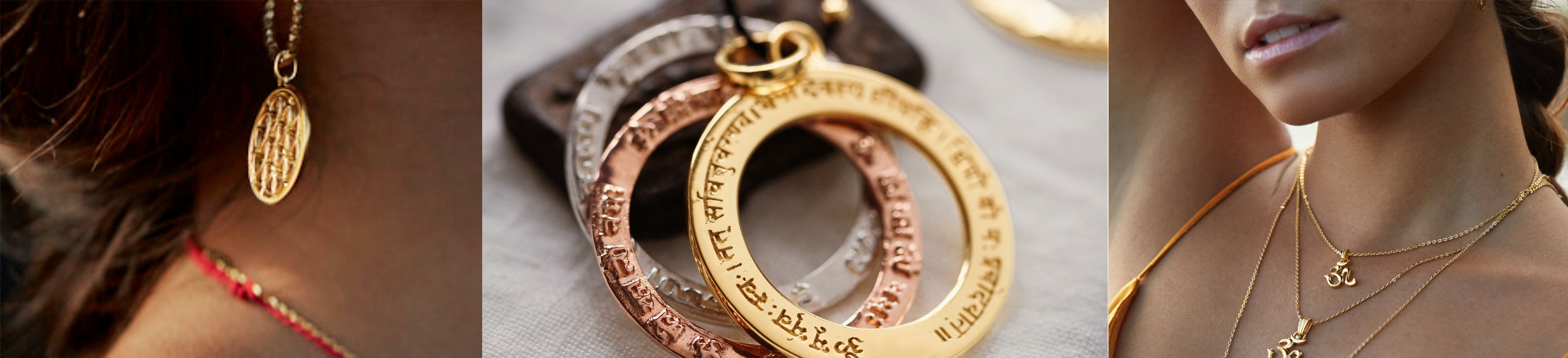
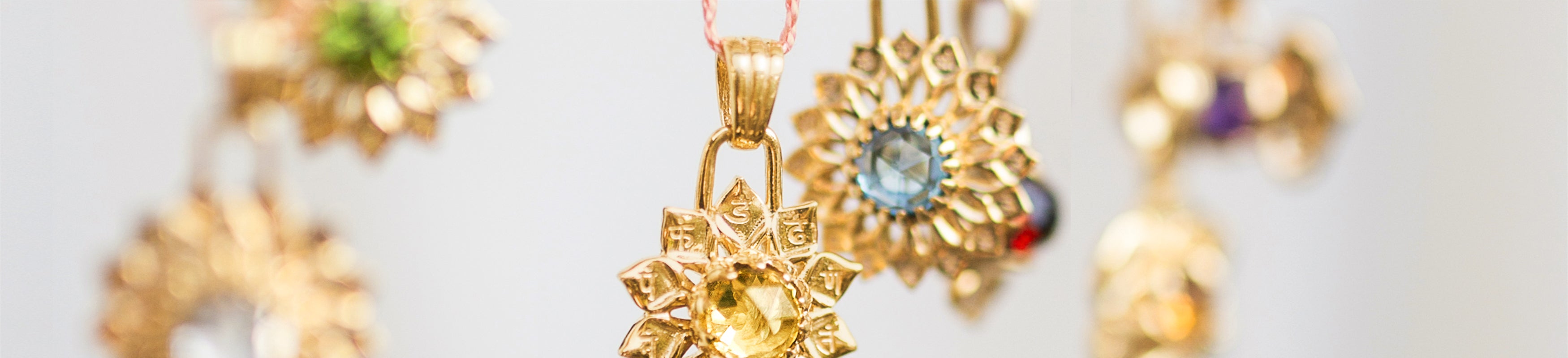



KALI MANTRA JEWELLERY
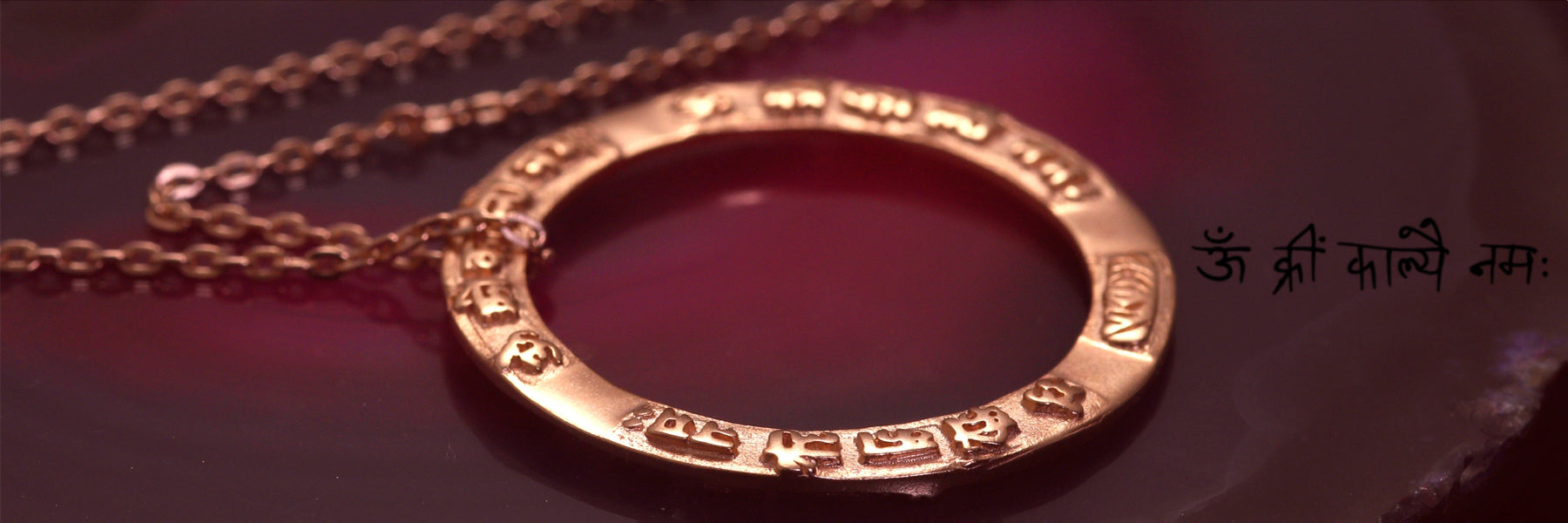
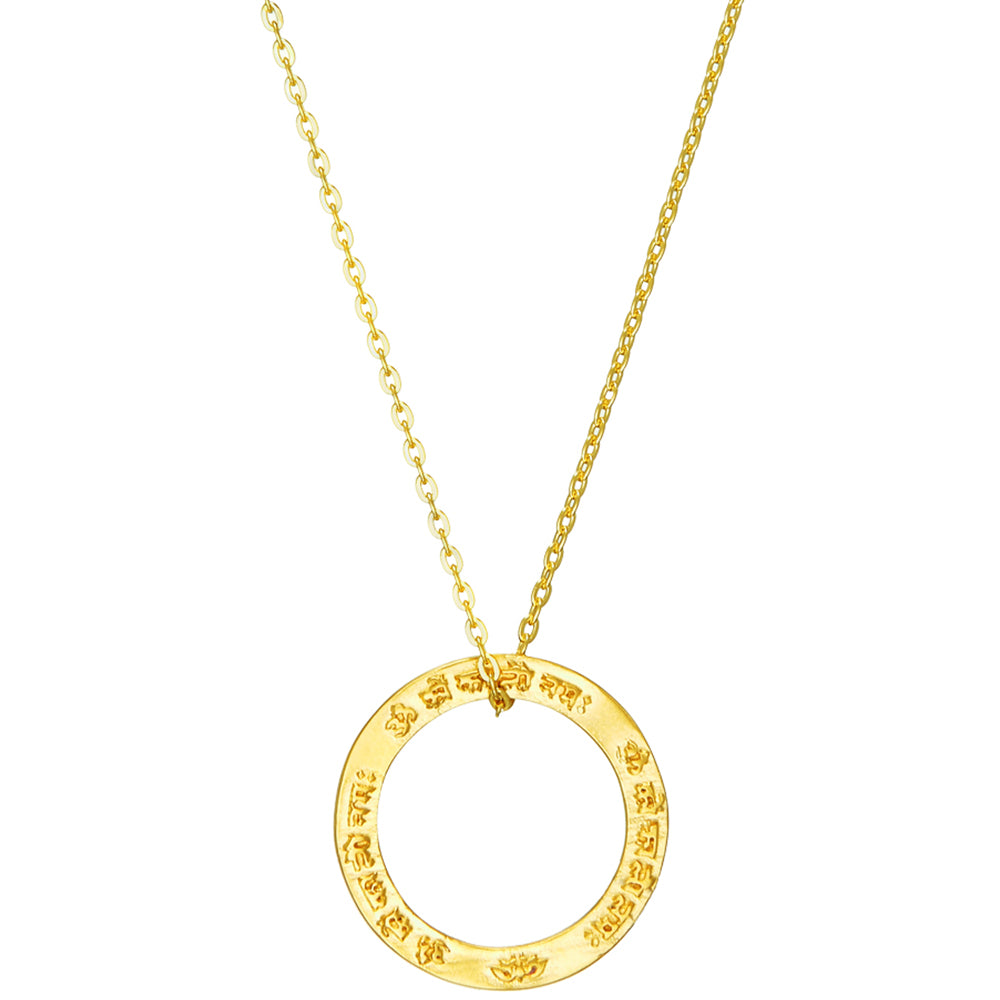
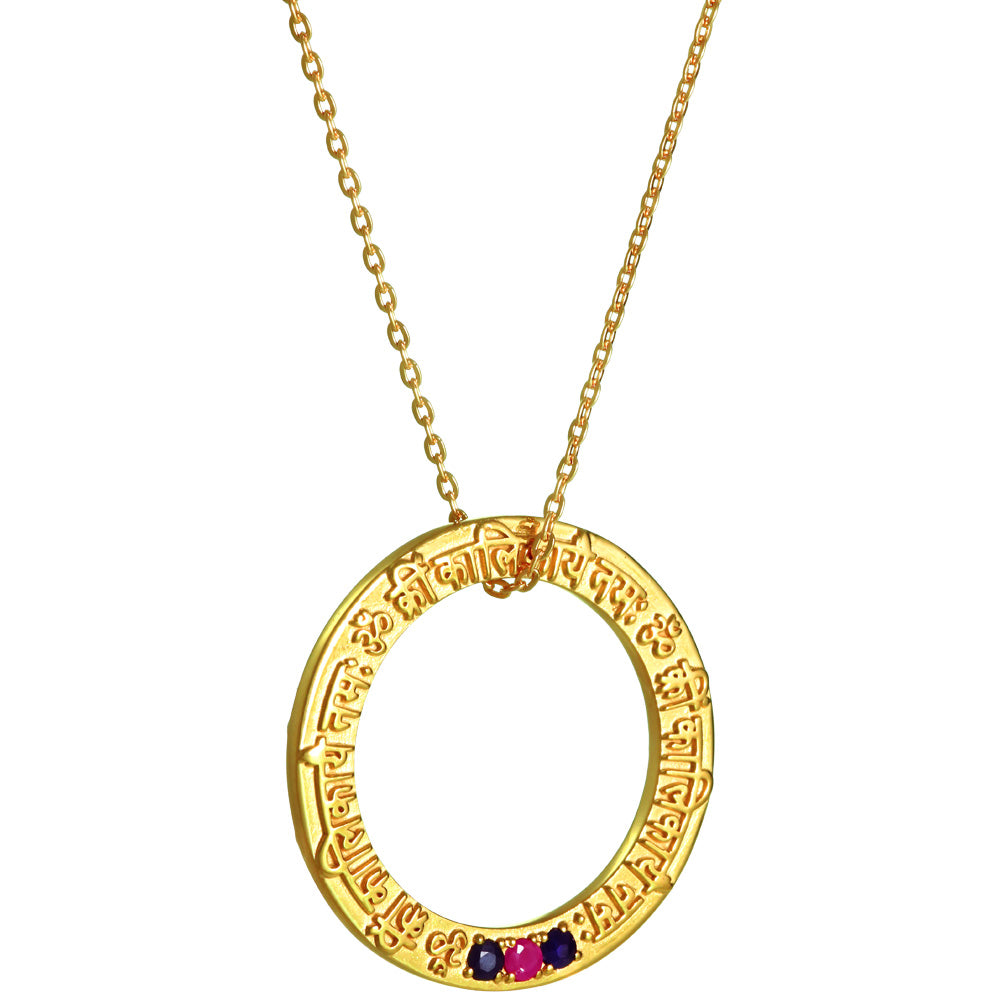
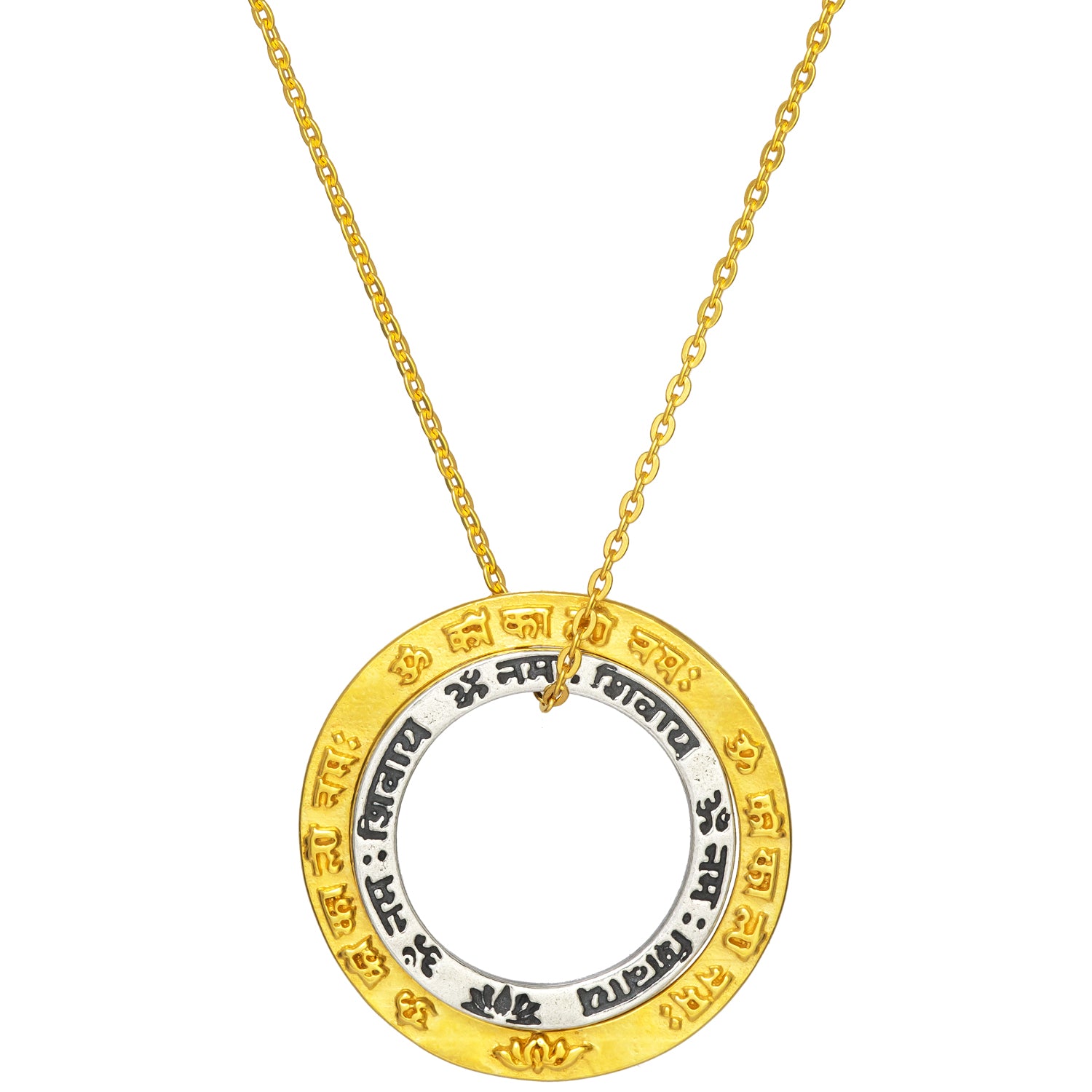
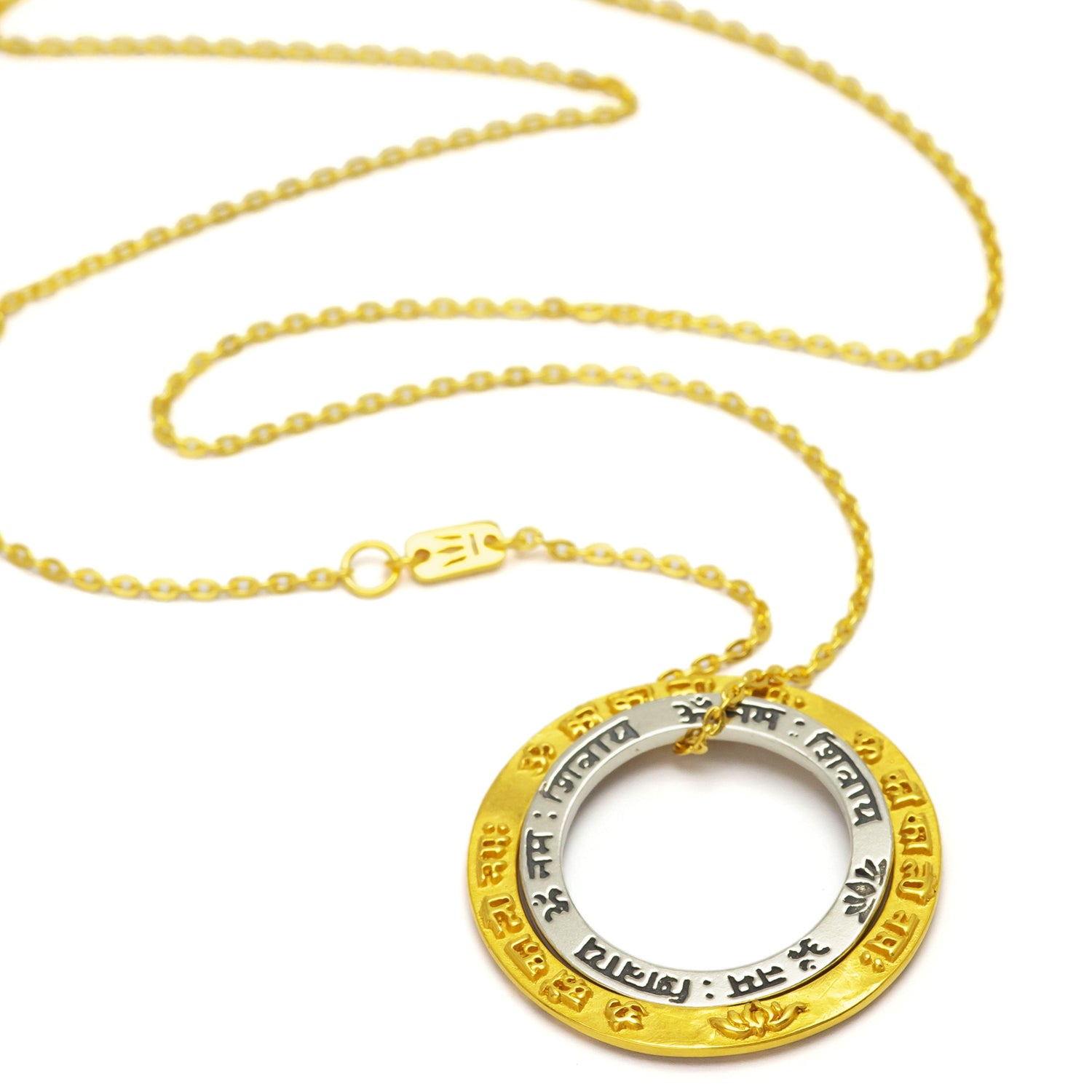
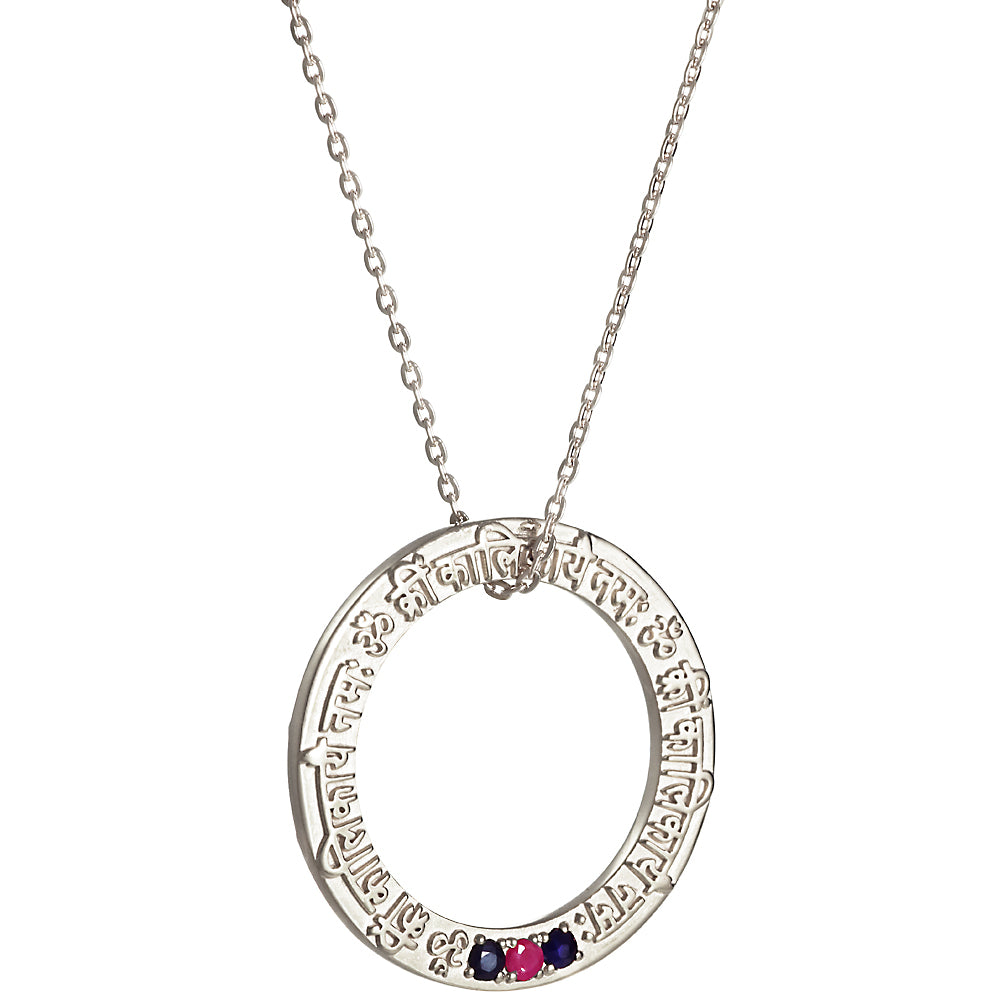
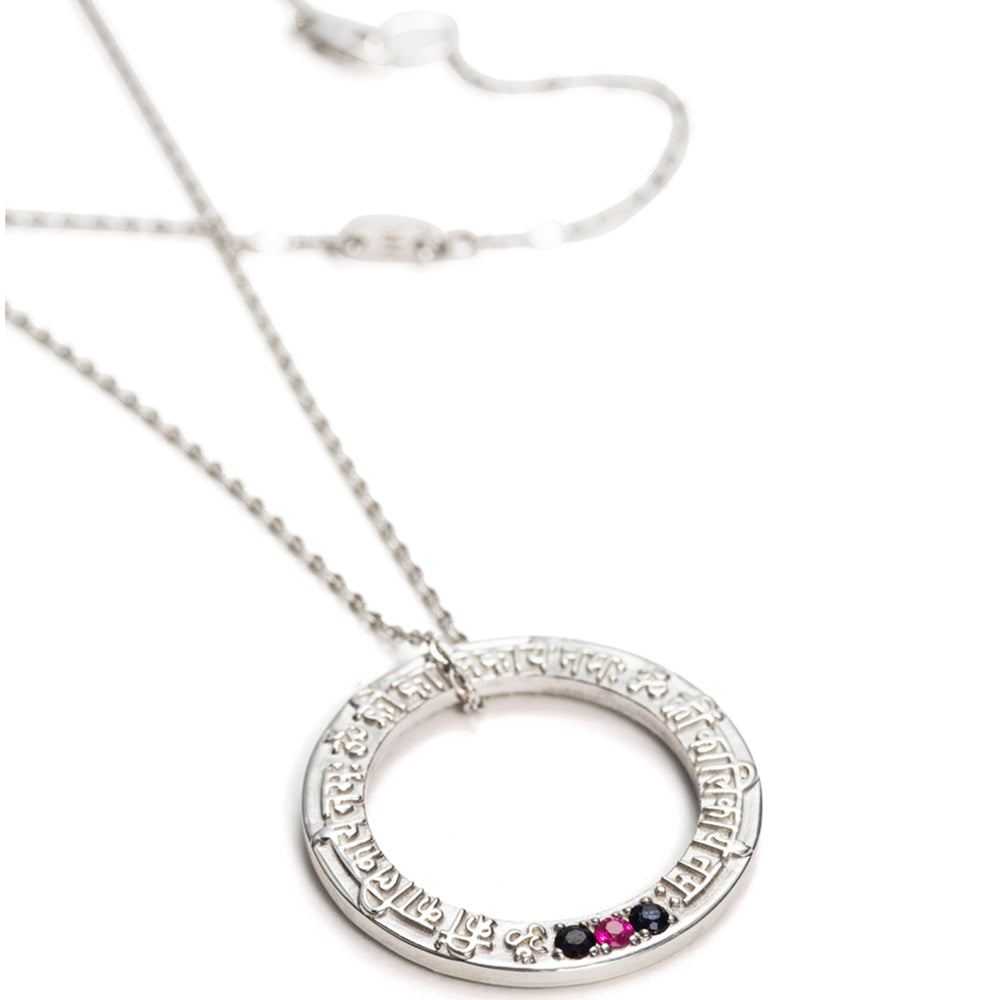
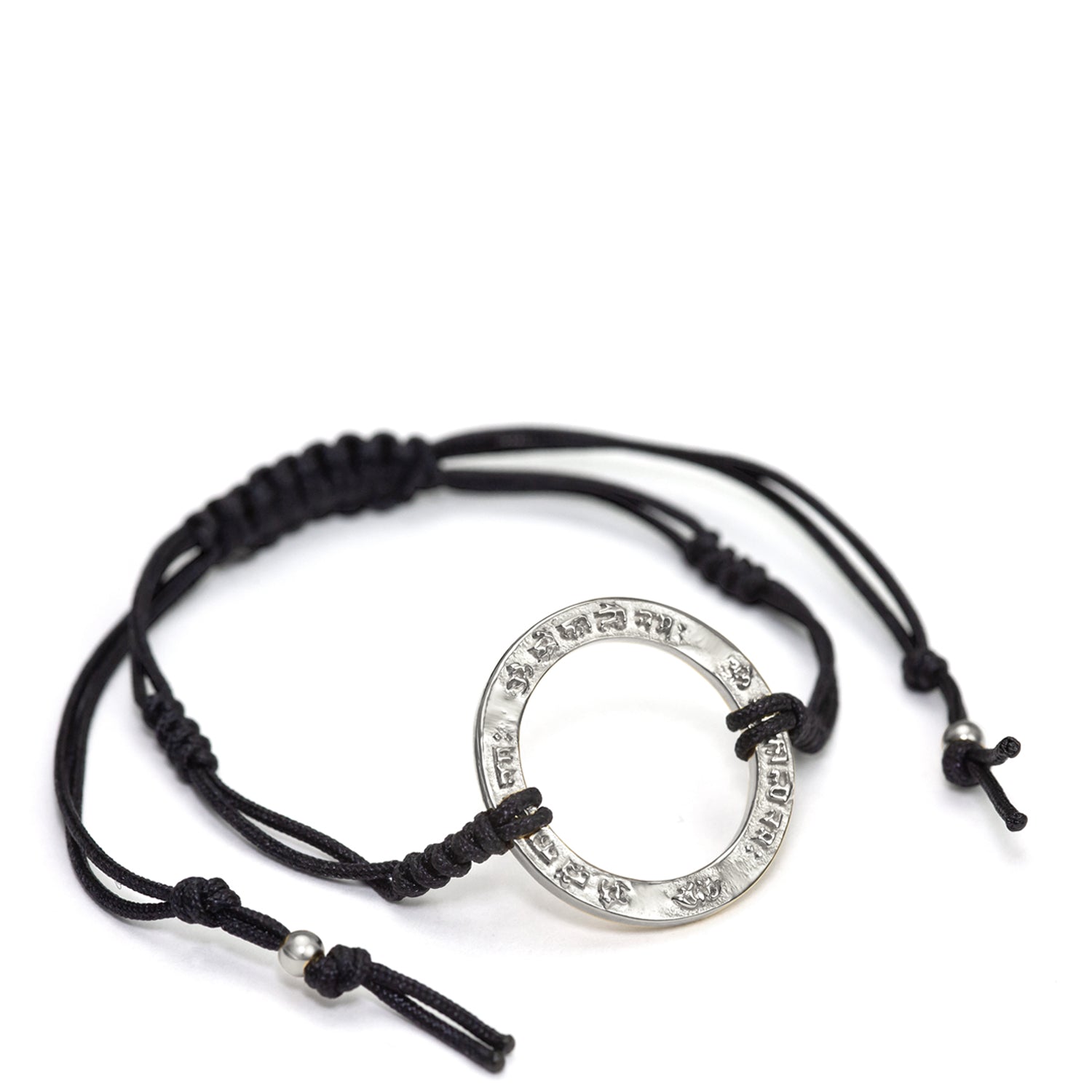
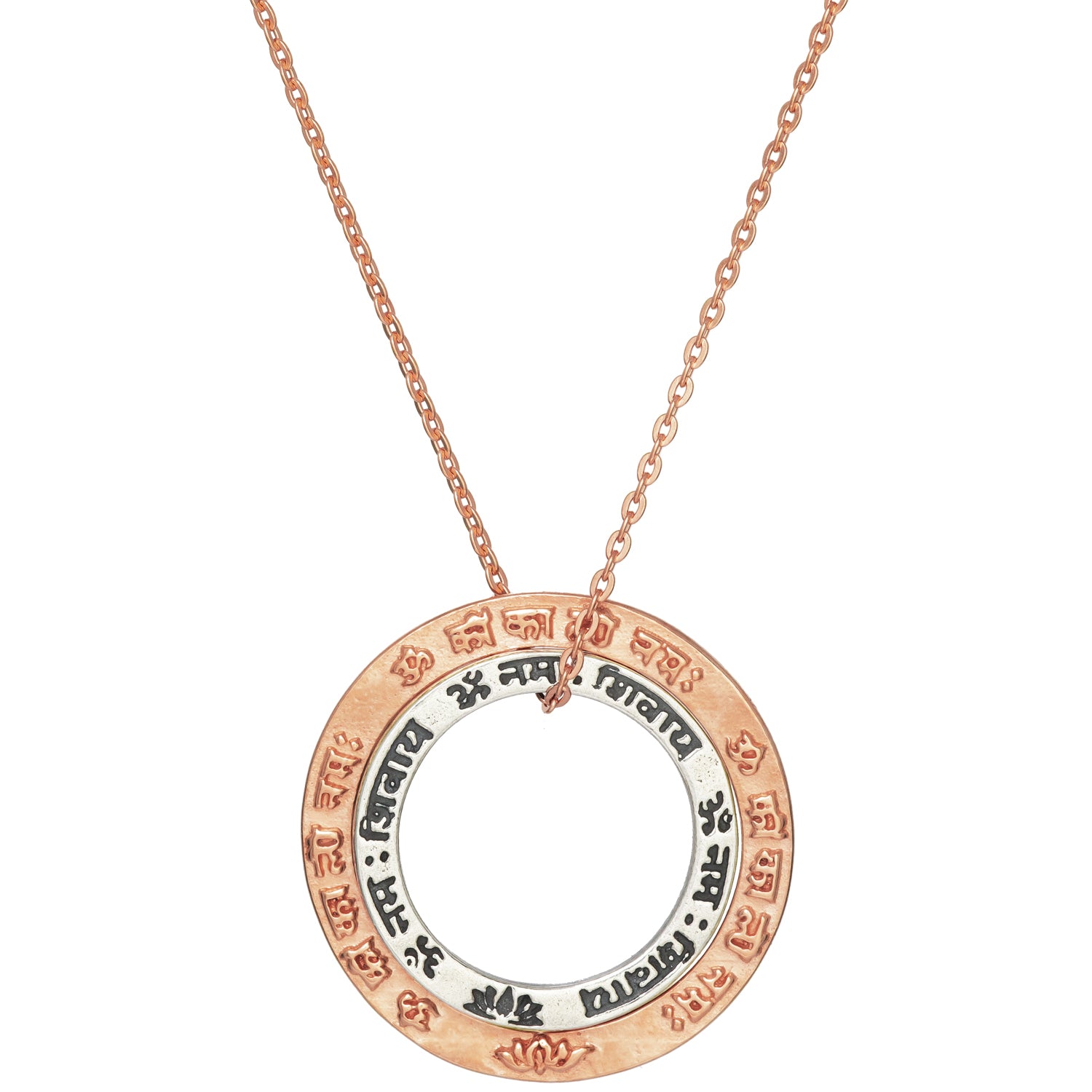
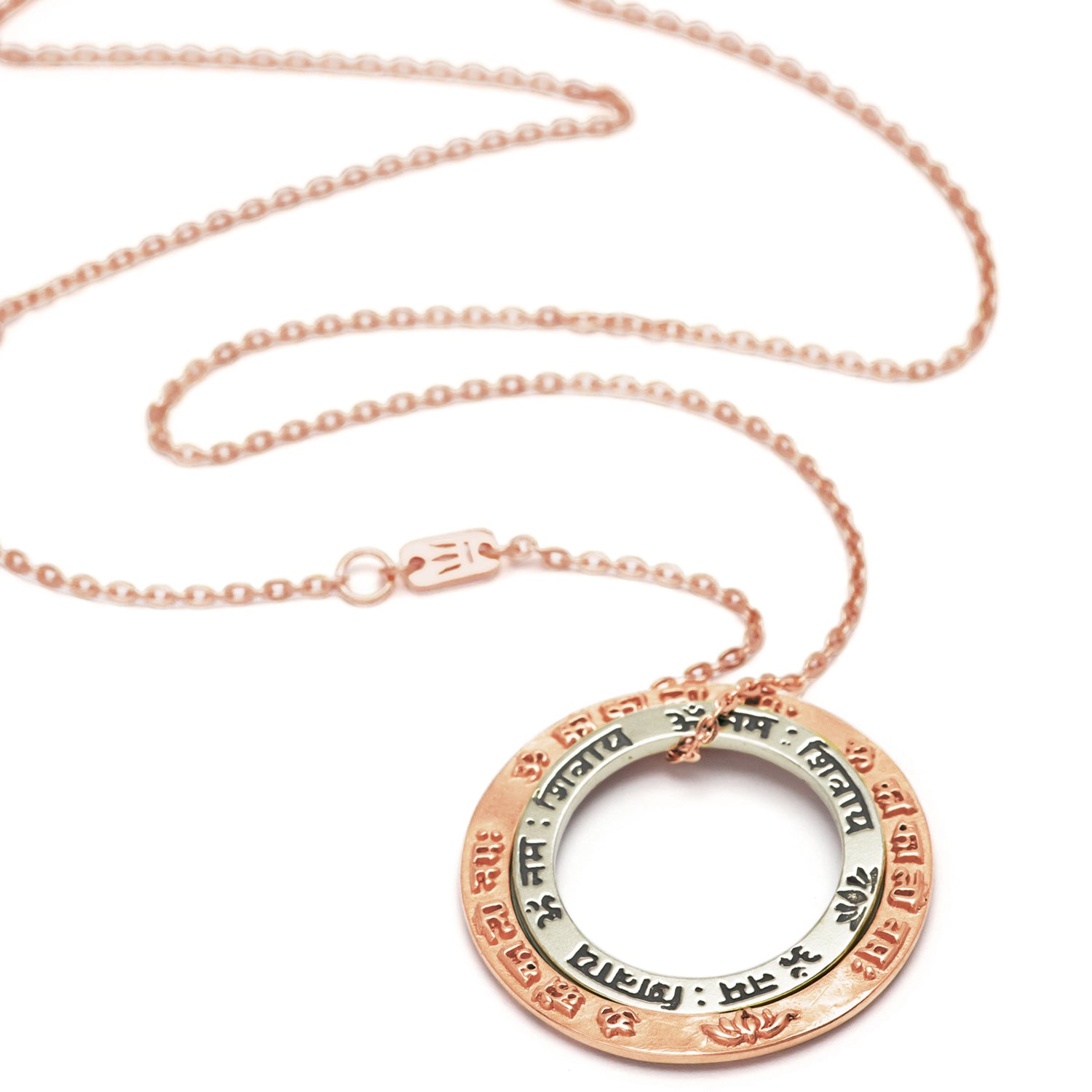
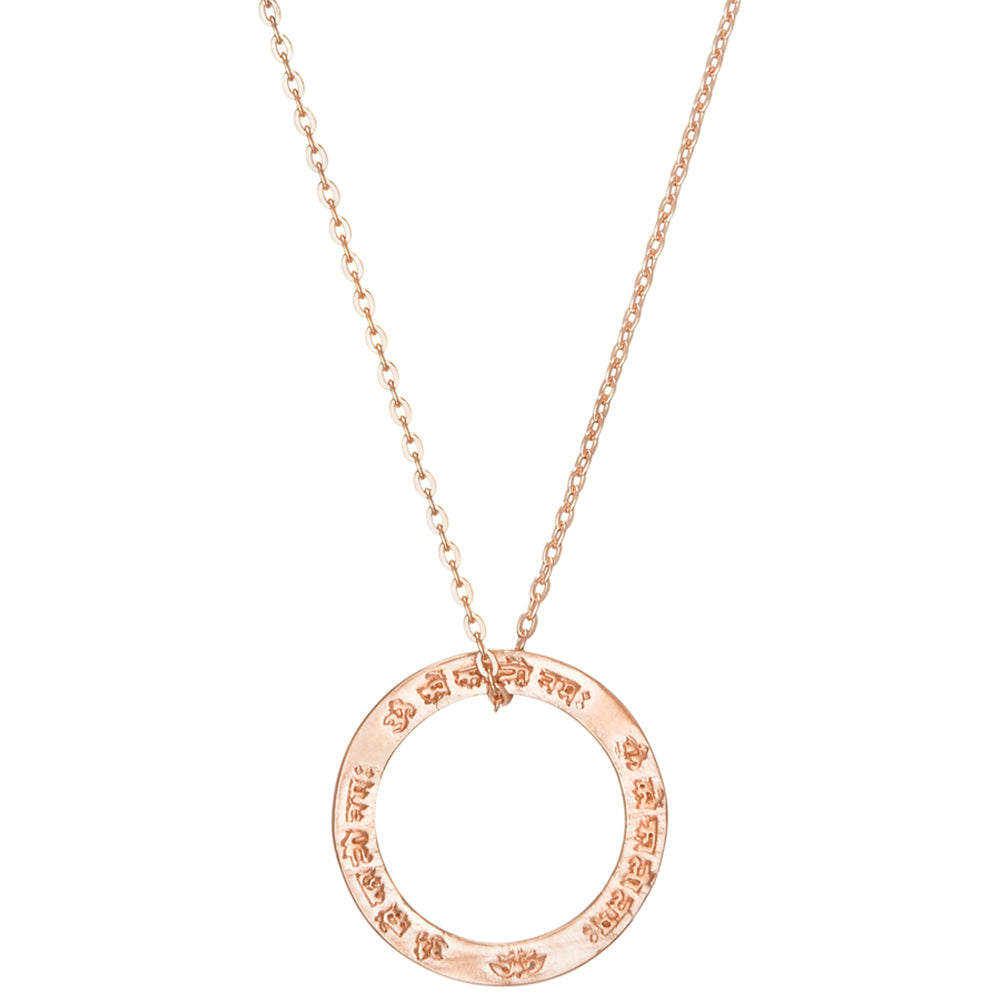
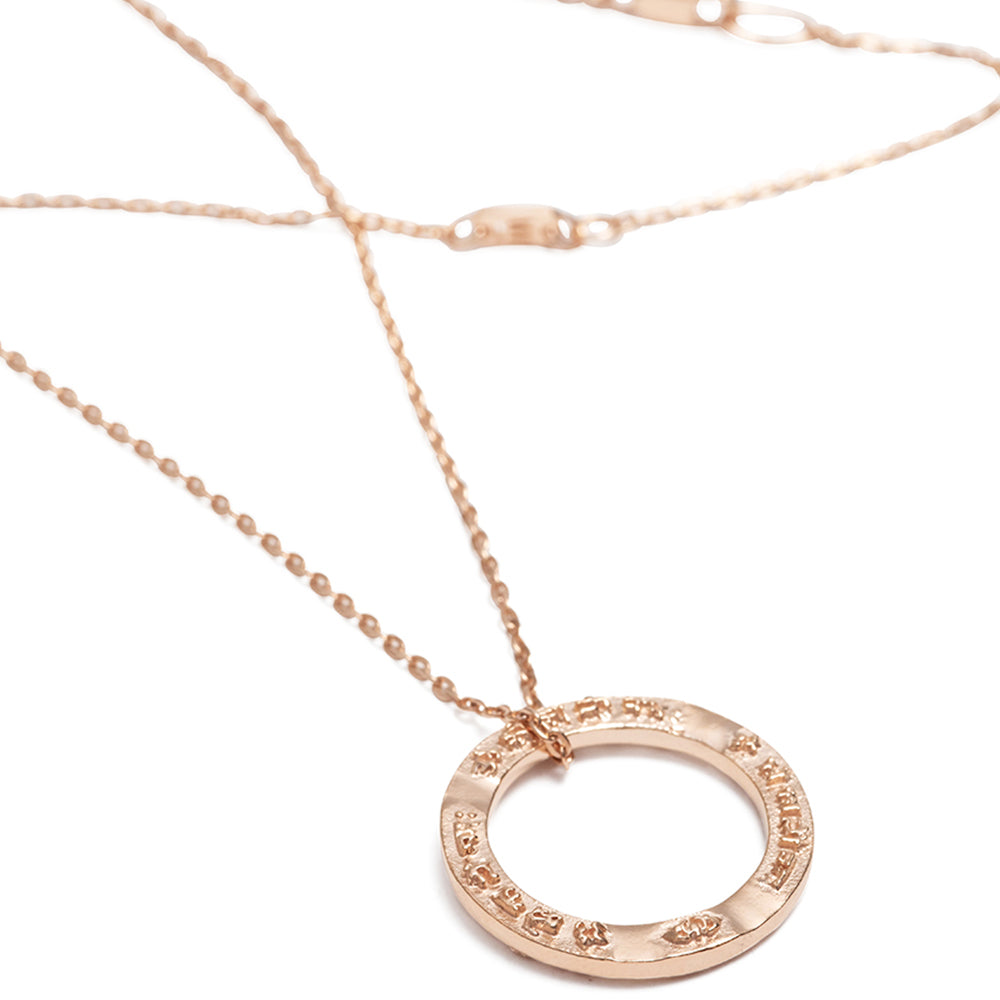
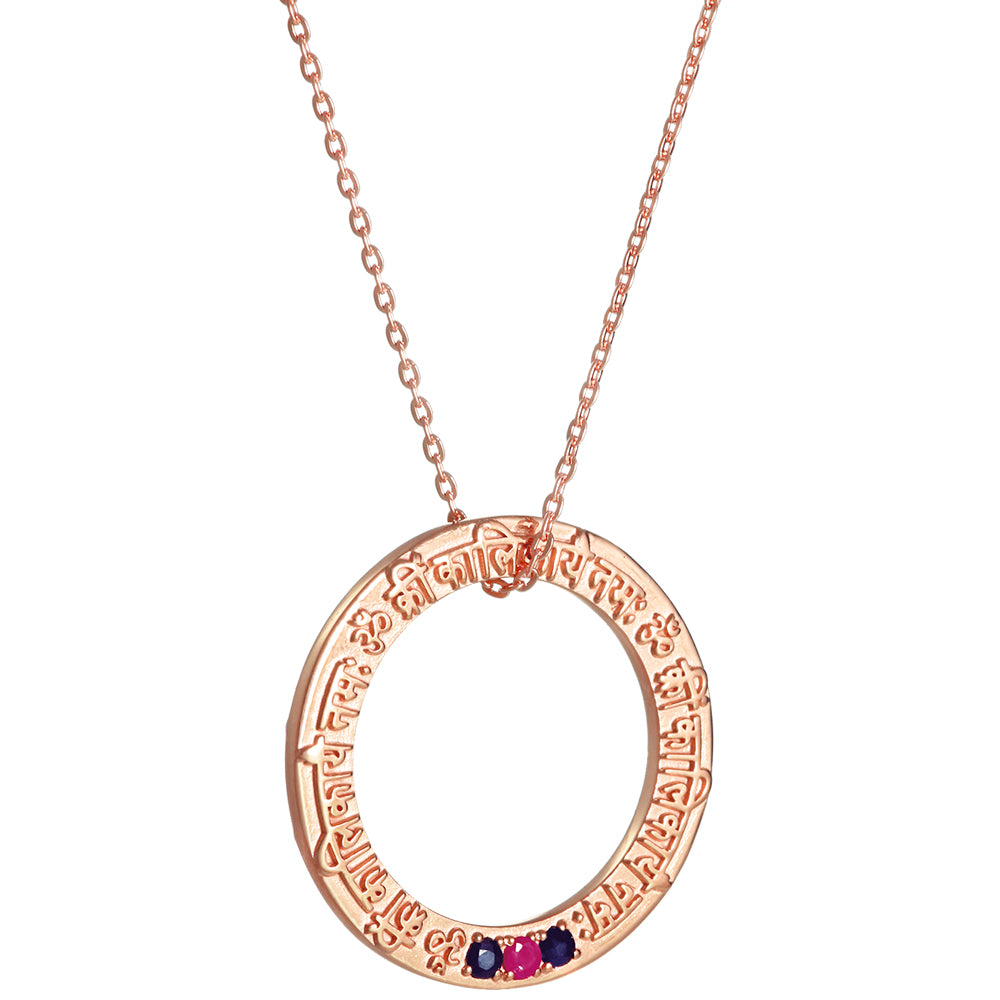
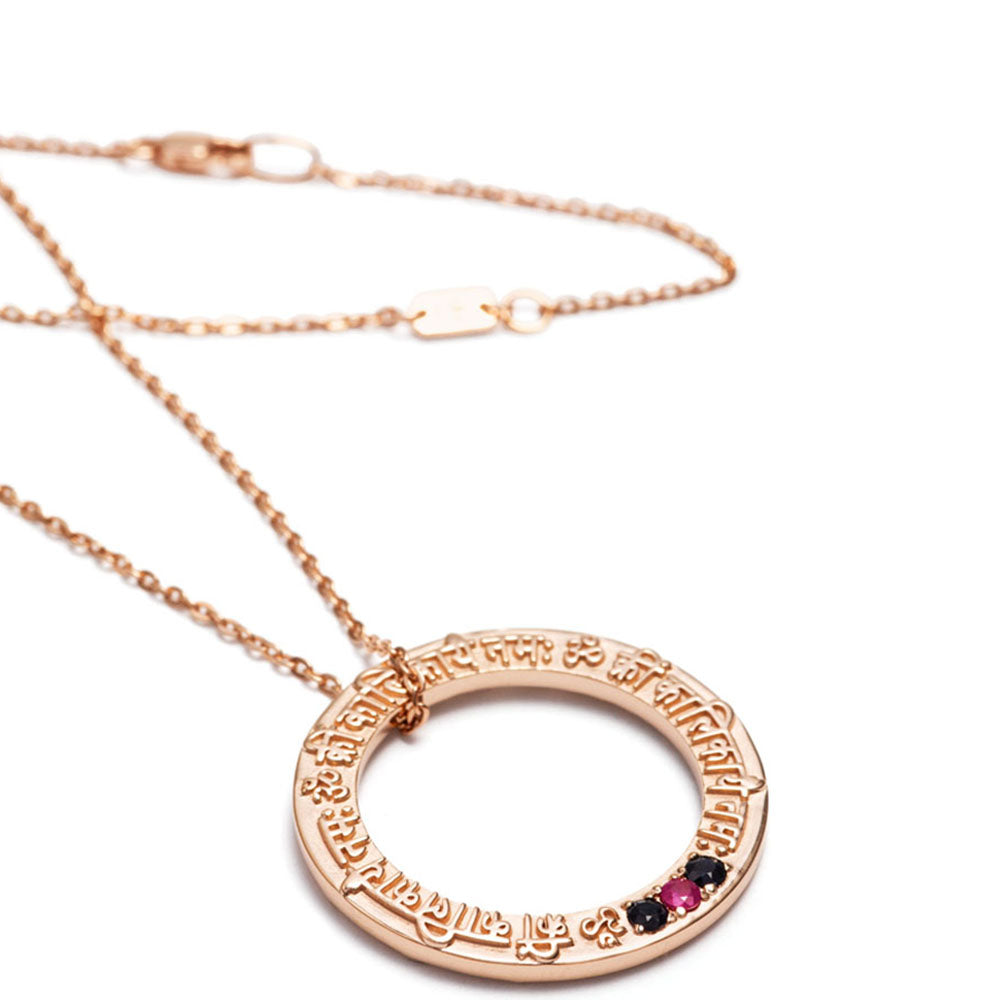
Pendants and necklaces with the Kali mantra “OM Krim Kalikayai Namah ll”









Kali - the protector
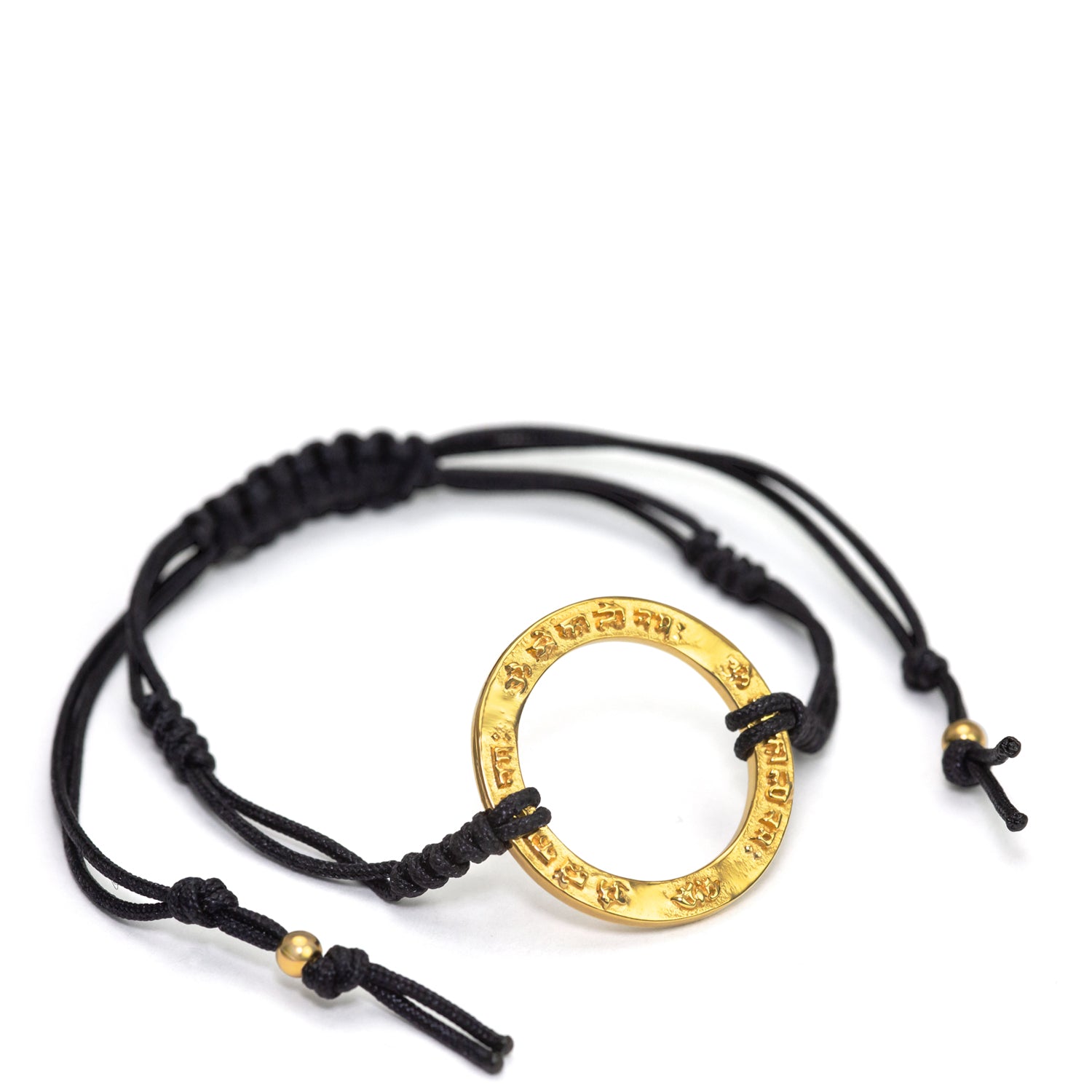
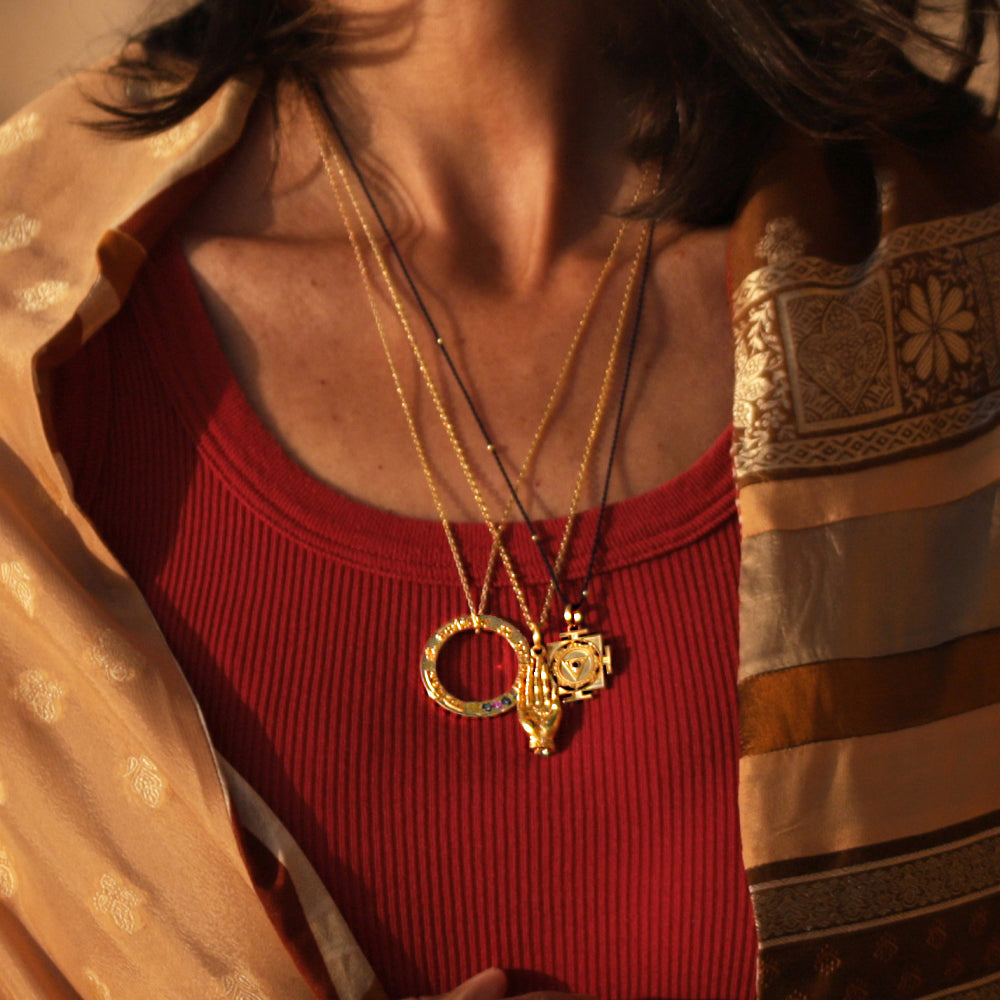
OM Krim Kalikayai Namah, these magical Sanskrit words are sublimely inscribed on our mantra pendants made of high-quality sterling silver, which are also available with 24K gold and rose gold plating. Handcrafted and exquisitely finished, this Kali amulet can grant us protection and initiate necessary transformation processes. "OM - obeisance to the divine; you protector, you liberator; in your manifestation as Kali."
In the yoga tradition, there is a dark goddess known as Kali who rules time, death and change. Kali represents massive transformation, nonconformity, boundary crossing, life and death cycles, responsibility and accountability, clearing karmic chaos, wild and unbridled sexuality, absolute surrender and the intensity of love and compassion. Kali is the essence of freedom and she is the force within that transforms fear.
Kali, the protector, helps us to accept the dark sides as well. Kali, the dark one, is considered the destroyer of negative forces (demons, illusions) that prevent us from attaining health and freeing the mind. Kali cuts the bond of confusion or ignorance and clears the way for our redemption. In ancient tradition, Kali is considered one of the few goddesses who can fulfill wishes.
Kali - knowledge, action and overcoming through reconciliation
This fearsome goddess comes to devour what is no longer needed. She shows the way to transformation from within, stands for fundamental honesty and absolute freedom from false attachments and delusions. Kali gives us the energy to: pause, gain insight into what needs to be changed, take active action and reconcile. These processes bring about transformation and lead us to liberation. Last but not least, Kali is also the mistress of time ("Kaala" also means time). Her three eyes symbolize the past, present and future.
As Mahakali ("great Kali"), she is the representative of the highest reality and is on a par with Brahman. Mahakali is an emancipated goddess who acts independently of Shiva, her male counterpart. This motif symbolizes the female life energy, without which the male must remain lifeless and powerless.
Mythology of Kali - destruction of illusions
Kali is a manifestation of the goddess Durga, who in turn embodies the manifestation of the dark aspect of the goddess Parvati. According to Hindu mythology, Kali appeared when the cosmic harmony was out of balance. The demons, who had become overpowering, threatened to destroy the world. The mighty deity Kali was born from the third eye of the goddess Durga ("the hard to defeat"). Her destructive rage was directed against the forces of evil in order to liberate and save the world. Kali is the embodiment of the destruction of illusions, that which no longer endures. She creates space for the new, for development, an indispensable aspect of our lives.
We need her wild, untamed energy in situations where everything is stuck and we no longer know how to help ourselves. With her boundless wisdom, Kali sees the big picture, knows what is still possible and has the power to shift or tear down boundaries in her passionate way.
Depiction of the goddess Kali
I am most fascinated by the depiction of the goddess Kali, dancing on an ascetic lying outstretched, who can be recognized as Shiva by his attributes. By animating the corpse (sava) with her power (shakti), the goddess turns it into Shiva. The idea that Shiva is powerless without his female counterpart is expressed here. Like Shiva, Kali has disheveled hair with a crescent moon, a third eye and often snakes around her neck. She also carries the trident in some images, but always her sickle-shaped sacrificial sword, with the help of which she cuts through veils of illusion, such as confusion, ignorance and attachments. But ultimately, Shiva and Kali are an inseparable unit.
Kali is usually depicted in black, sometimes also in blue, and with a third eye on her forehead. Her three eyes see the past, the present and the future.
Hung with a garland of heads, dressed in a skirt of severed hands, with long wild hair. In one hand she holds the severed head of the demon, symbolizing liberation from identification with our ego. The right arm is raised, the hand assumes the posture of the Abhaya Mudra, the gesture of protection and the expulsion of fear. With the left hand she assumes the Varada mudra, the wish-fulfillment gesture.
Kali is depicted with a fearsome face, with large, protruding fangs (the shining white teeth symbolize Sattwa, purity), a protruding tongue (signifying Rajas, the active principle in nature) and a severed demon head (Rakshasamunda) or human head (indicating the destruction of the ego of her devotees).