




OM MANI PADME HUM MANTRA JEWELLERY
Om Mane Padme Hum – leading us toward enlightenment
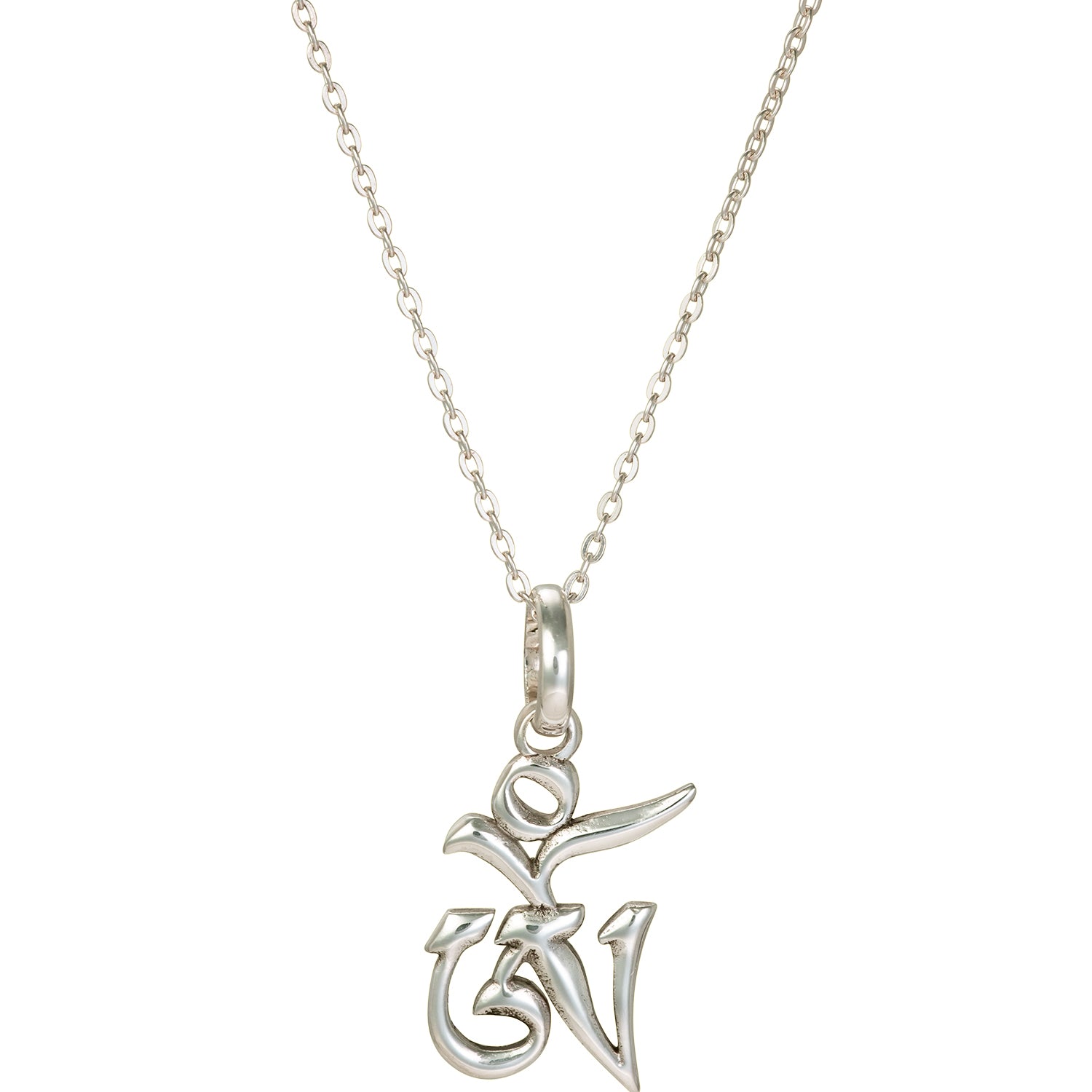
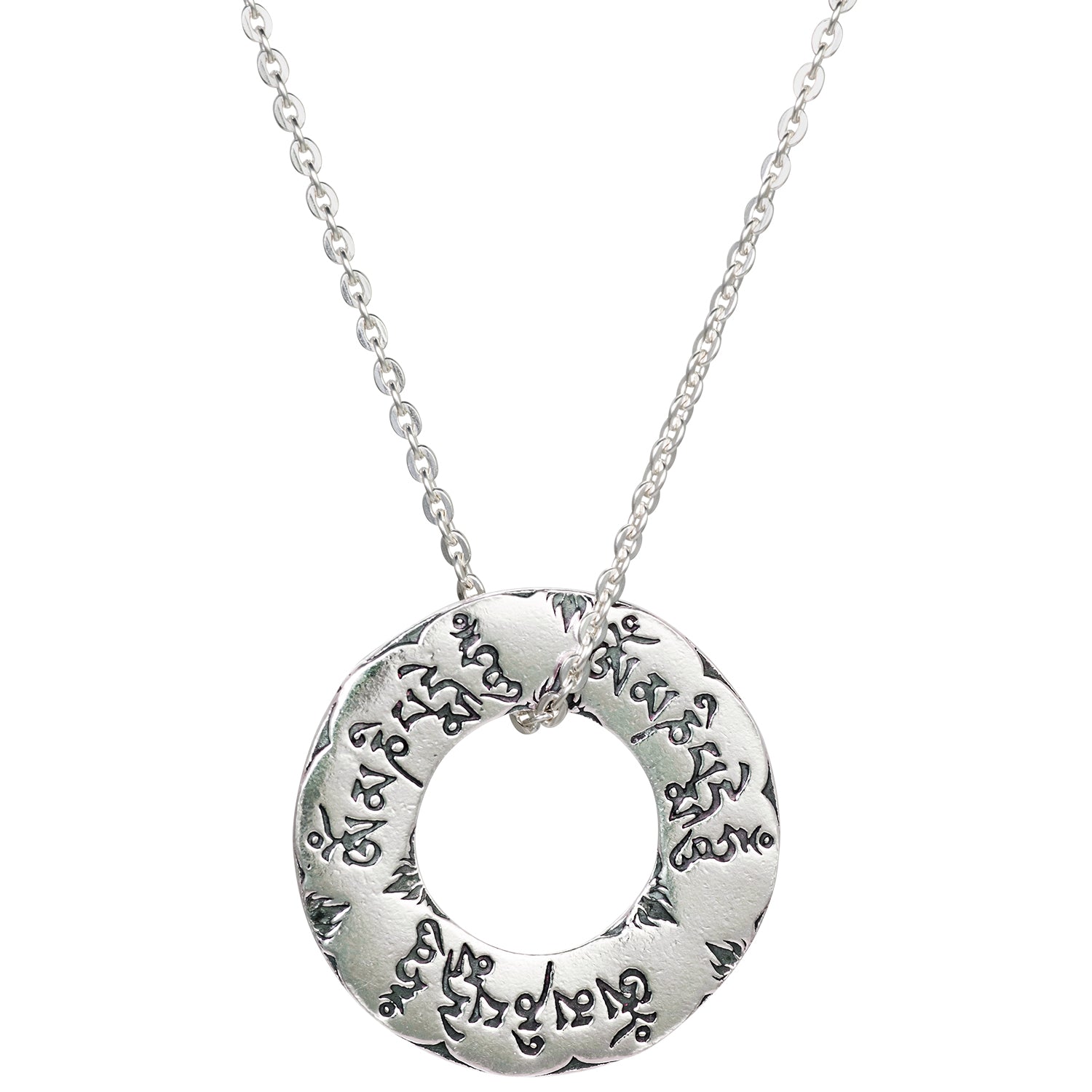
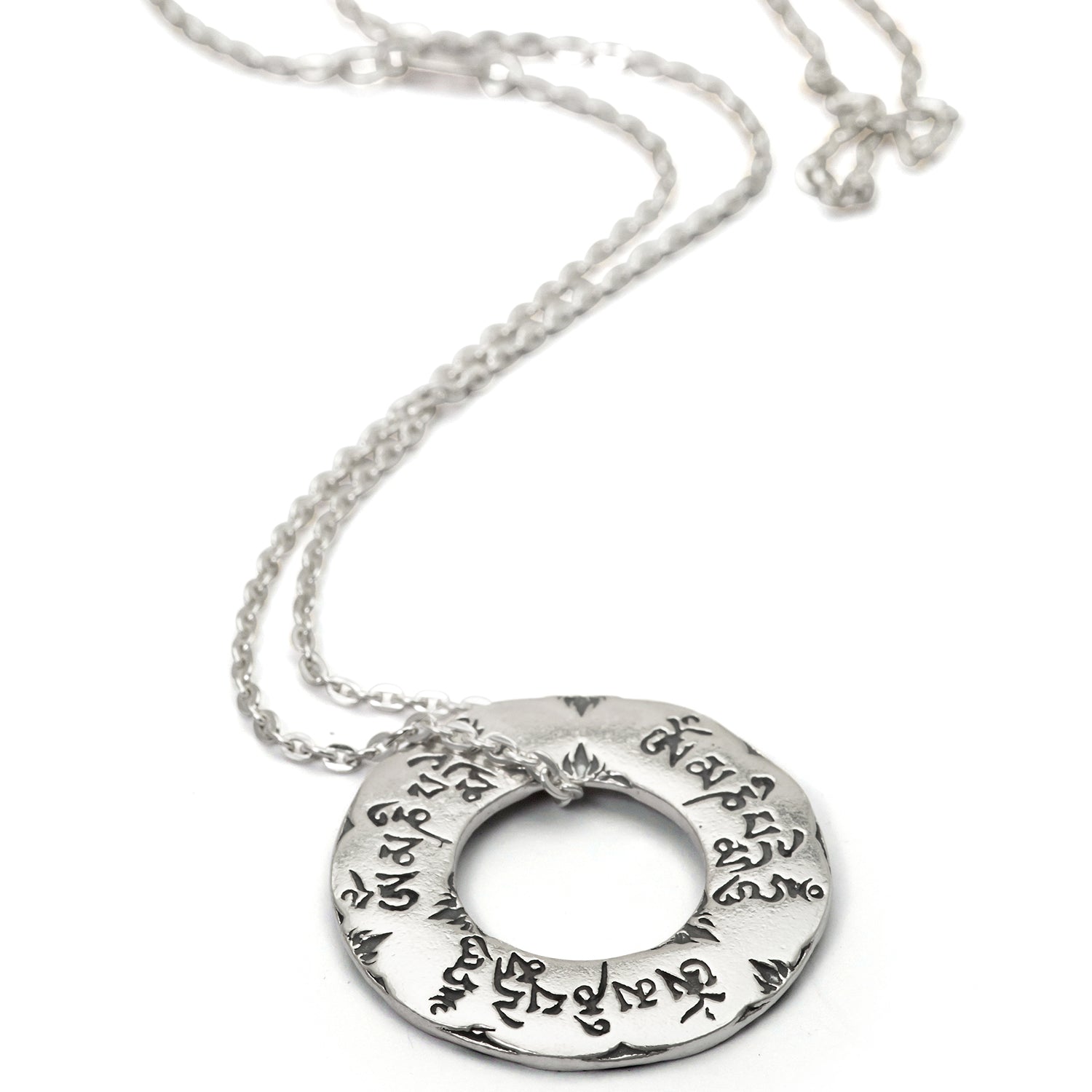
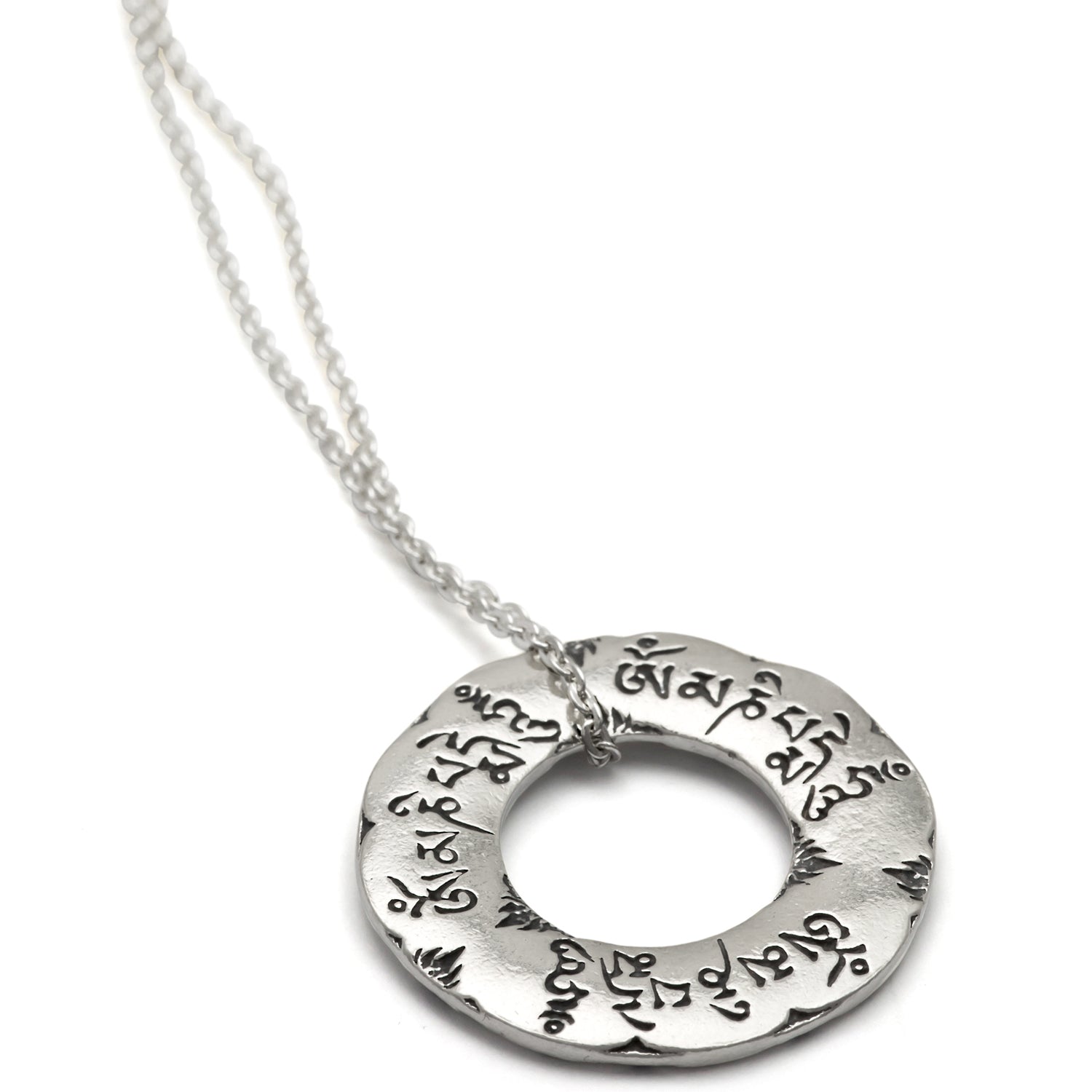
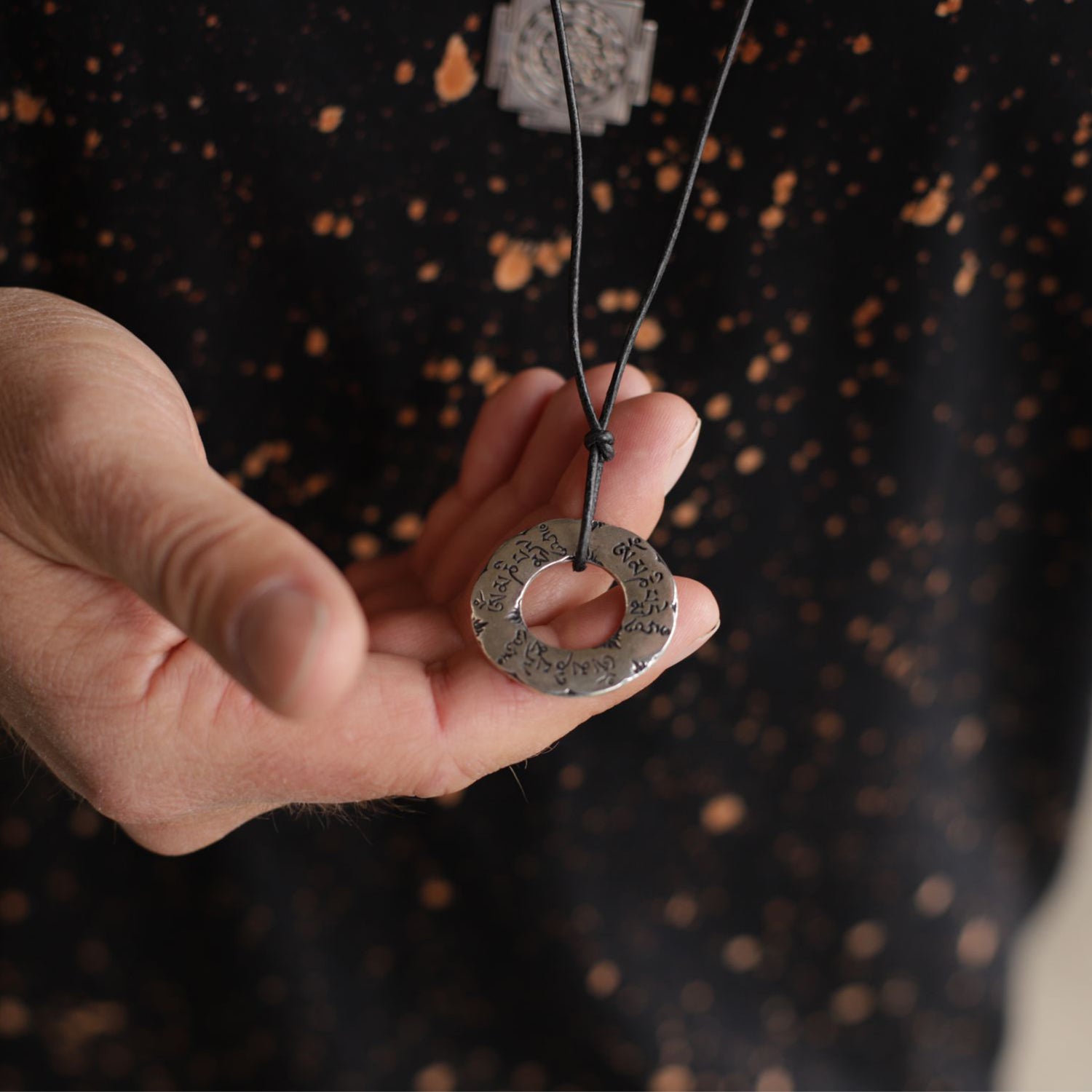
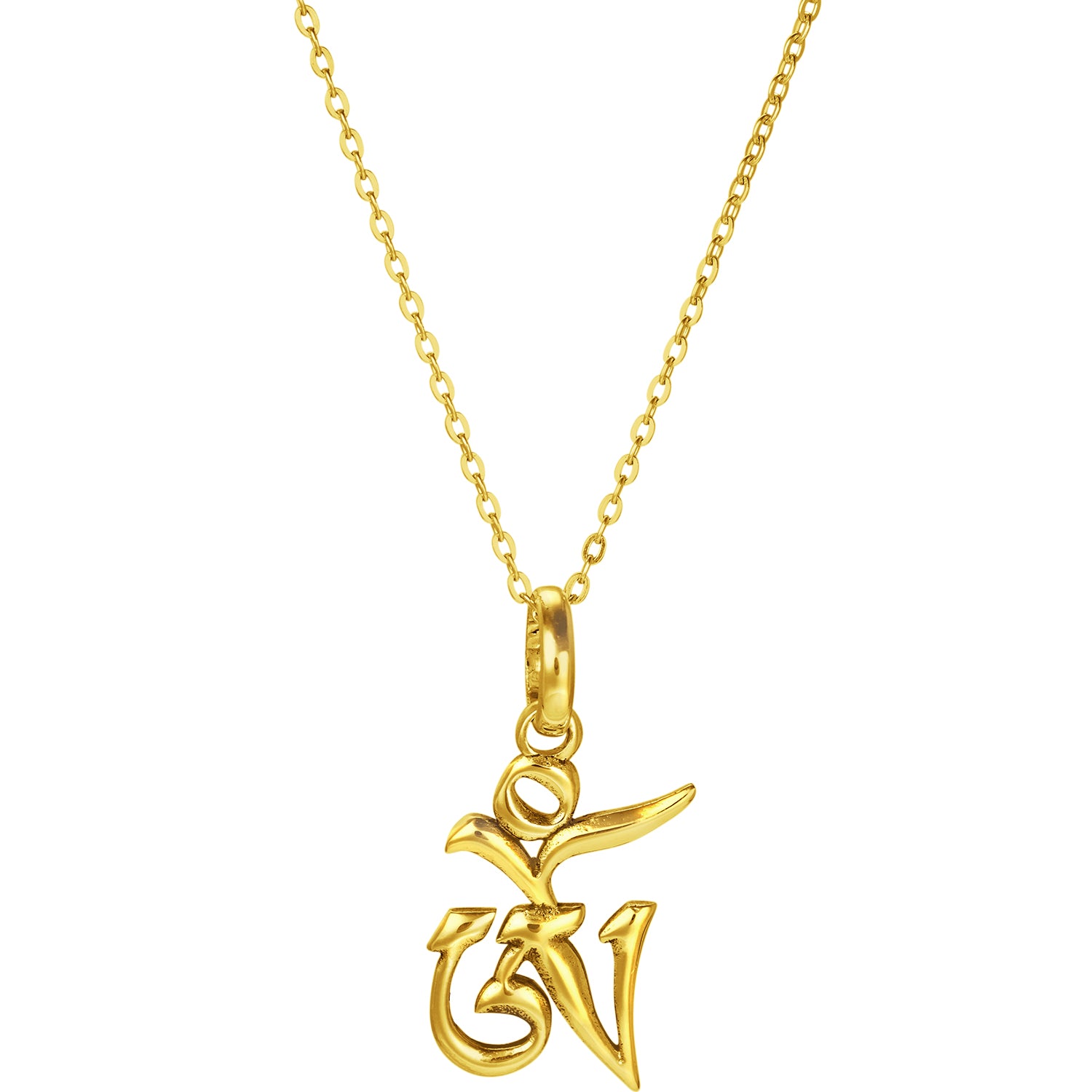
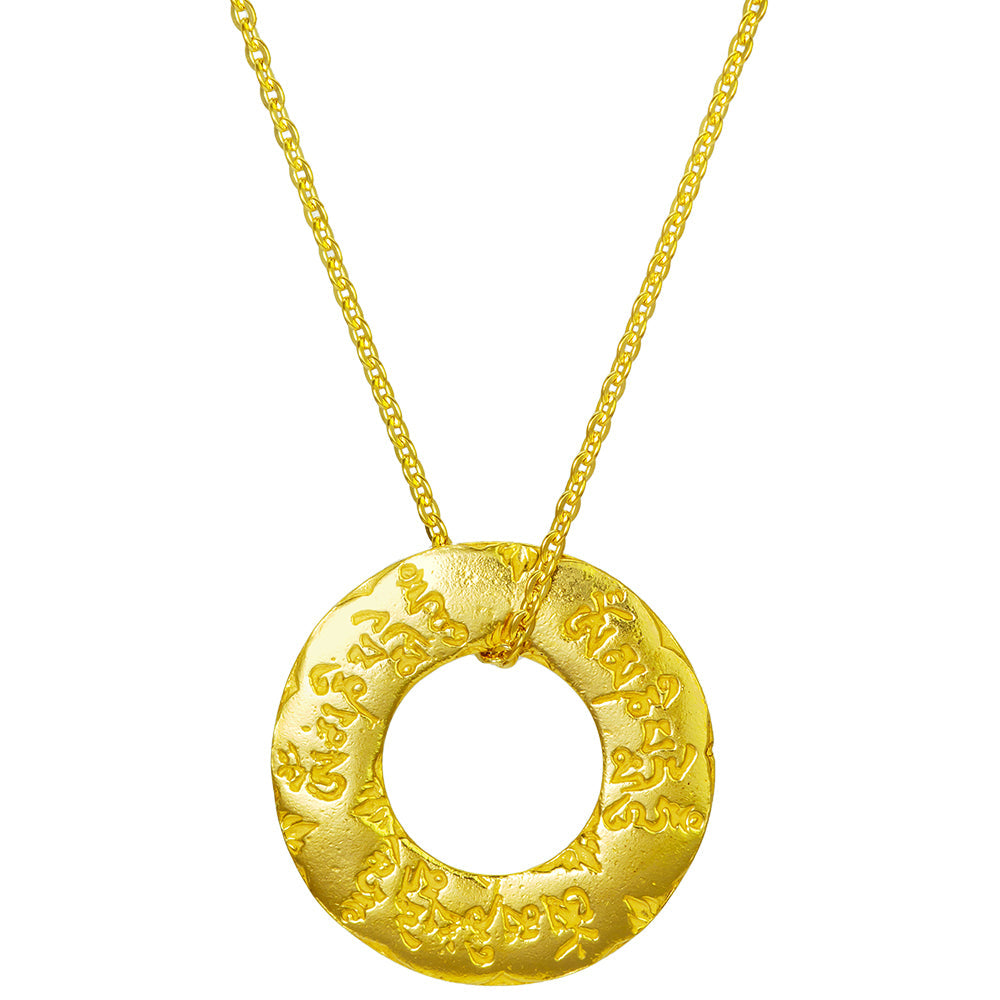

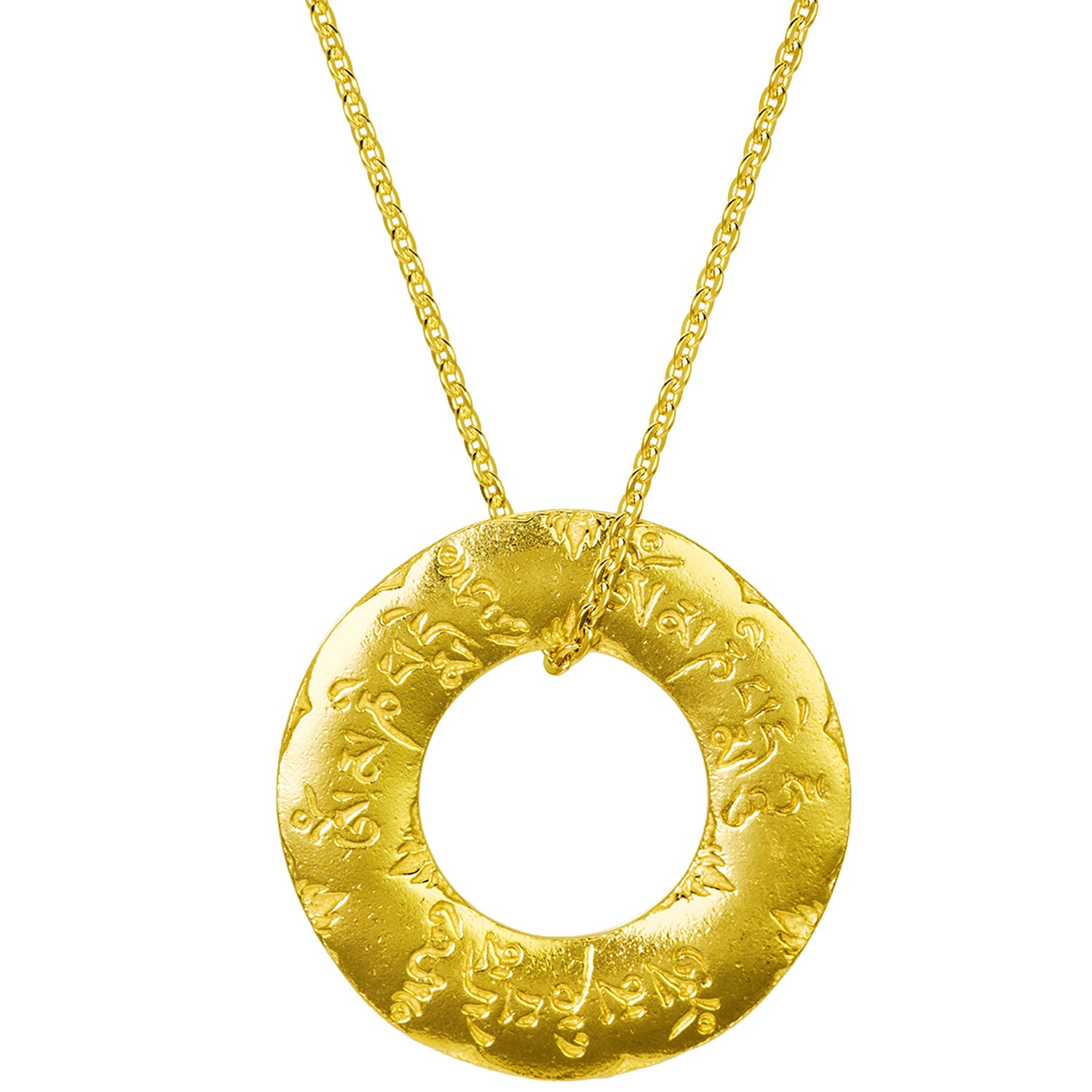
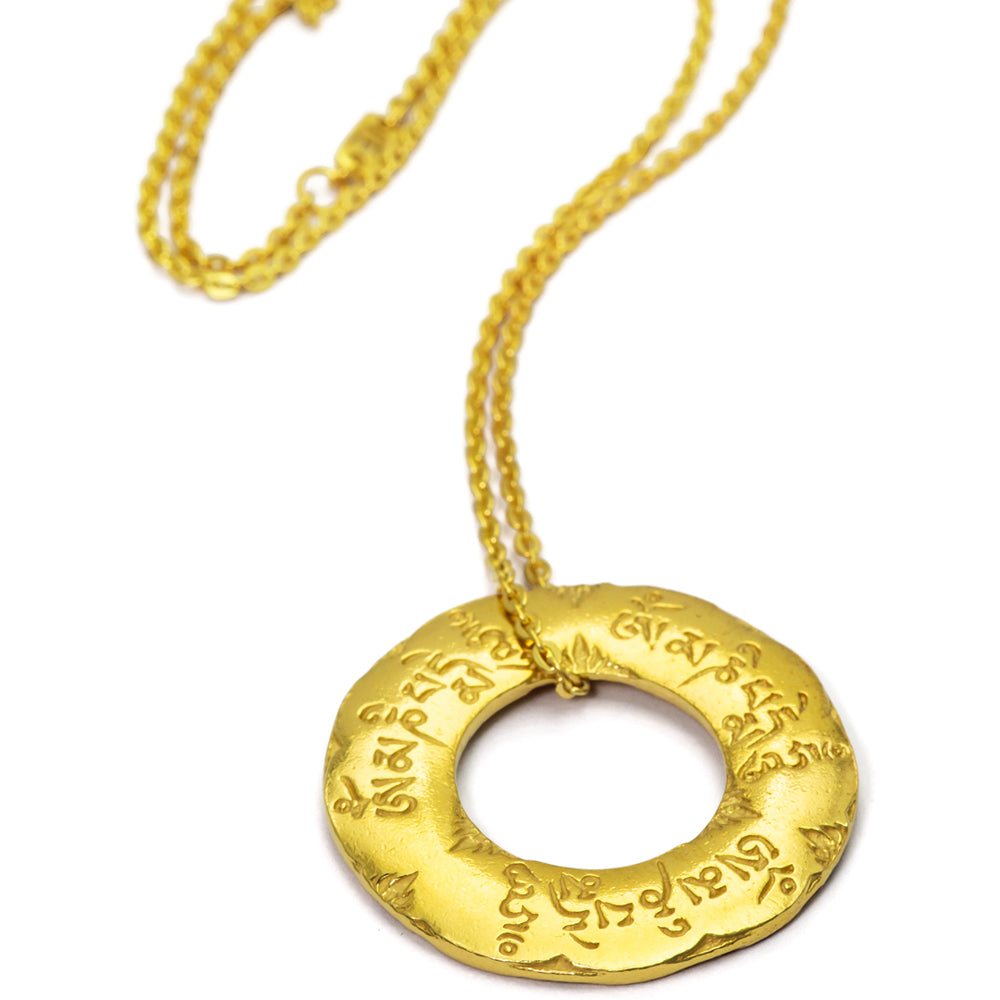
Om Mani Padme Hum
In Tibetan Buddhism, this is the most widespread mantra and the most popular form of religious practice, practiced by pilgrims and monks alike. In Tibetan teaching, the six syllables are an expression of the fundamental attitude of compassion. The affirmation of this mantra expresses the wish for spiritual liberation.
Meaning of the sacred mantra
The exact meaning and significance of the words have been and still are debated by Buddhist scholars. The literal meaning has been translated as "praising the jewel in the lotus". The sacred syllable Om, at the beginning of the mantra, symbolizes the primordial sound of creation and is the introduction to the worship of the entire universe. Padma is the Sanskrit word for the Indian lotus (Nelumbo nucifera) and mani for "jewel", like a kind of spiritual "jewel" that is often referred to in Buddhism. Hum stands for the spirit of enlightenment.
Bodhisattva of compassion
Oṃ maṇi padme hūṃ is particularly associated with the four-armed Shadakshari form of Avalokiteshvara, the bodhisattva of compassion. It first appeared in the Mahayana Kāraṇḍavyūhasūtra, where it is also referred to as sadaksara (six-syllable) and paramahrdaya or 'innermost heart' of Avalokiteshvara. In this text, the mantra is seen as the condensed form of all Buddhist teachings.